Lemon Farm: A Cheerful Handwritten Font for Editorial Joy
Choosing the Right Font for a Lifestyle Blog Redesign
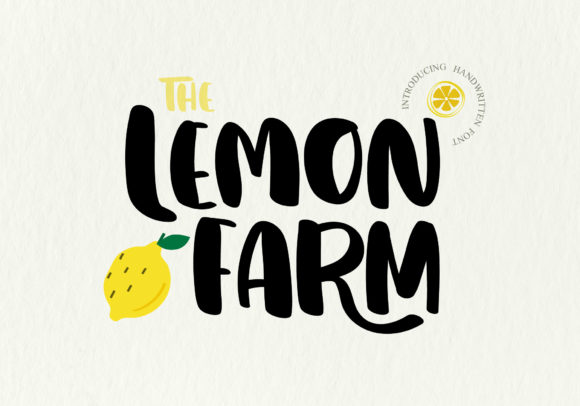
While redesigning a small lifestyle blog focused on family-friendly content, I found myself searching for a font that could carry both warmth and clarity. The goal was to create a visual tone that felt inviting yet editorially grounded. That’s when I discovered Lemon Farm—a sweet and colorful handwritten font that quickly became a favorite for headers and feature titles. It offered a subtle whimsy without veering into the overly playful, making it ideal for a publication that wanted to feel both thoughtful and approachable.
Visual Personality and Editorial Appeal
Lemon Farm is a Script & font that feels like a handwritten note from a friend—natural, expressive, and full of character. Its rounded forms and gentle baseline rhythm give it a soft, flowing energy that’s easy on the eyes, especially when used in larger text blocks like article titles or newsletter headers. The font’s PUA encoding ensures that all its alternate characters and ligatures are accessible across design platforms, making customization intuitive and consistent.
What stood out during testing was how well Lemon Farm maintained its charm across different formats—whether on a digital magazine cover or a printable coaching workbook. Its personality leans toward fun and happiness, which made it especially effective in projects targeting younger audiences, educators, or creative entrepreneurs looking to inject a bit of warmth into their brand identity.
Practical Use Across Digital and Print Layouts
During the layout phase of a recipe ebook project, I tested Lemon Farm as the main title font across several chapter openers. The font’s consistent spacing and open letterforms made each title feel light and airy, even when set in bold. It paired beautifully with a clean sans serif for body text, allowing the content to breathe while still maintaining a clear visual hierarchy.
- Blog headers and newsletter graphics came alive with Lemon Farm’s expressive curves.
- Printable planners and worksheets used the font for section headings and decorative accents.
- In digital magazine layouts, it served as an engaging pull quote font that drew reader attention.
It’s important to note that while Lemon Farm shines in display settings, it’s not ideal for long-form body copy or small captions. The expressive nature of the script can reduce legibility in dense paragraphs or on mobile screens where space is limited. However, for short bursts of text like titles, quotes, and callouts, it’s a strong contender.
Font Pairing and Readability Considerations
One of the keys to using Lemon Farm effectively is thoughtful font pairing. As a display font, it works best when contrasted with a more neutral serif or sans serif typeface. For example, pairing it with a classic serif like Georgia or a modern sans like Lato ensures that editorial layouts remain balanced and readable. This kind of typographic contrast supports both mood and structure—Lemon Farm brings the voice, while the supporting font grounds the content.
When preparing a printable planner for a coaching client, I used Lemon Farm for section headers and a minimalist sans serif for daily task lists. This combination kept the design cohesive and visually engaging without compromising usability. It’s also worth checking the font’s available weights and alternates before finalizing your layout. Having multiple stylistic options helps maintain consistency across different content formats, from web design to packaging design.
Technical and Licensing Notes for Content Creators
Before incorporating Lemon Farm into any digital product or publication, I recommend reviewing the font’s included styles, ligatures, and multilingual support. Many modern handwritten fonts come with a range of alternates and stylistic sets that can enhance the design without requiring additional assets. Lemon Farm includes PUA encoding, which simplifies access to these extras across platforms like Canva, Illustrator, and Photoshop.
From a licensing standpoint, it’s essential to confirm whether the font allows for commercial use, especially when creating templates, ebooks, or paid newsletters. Most premium font providers offer clear licensing terms, and Lemon Farm appears to be no exception. Always ensure that the font files are embedded or used in compliance with the vendor’s guidelines to avoid issues down the line.